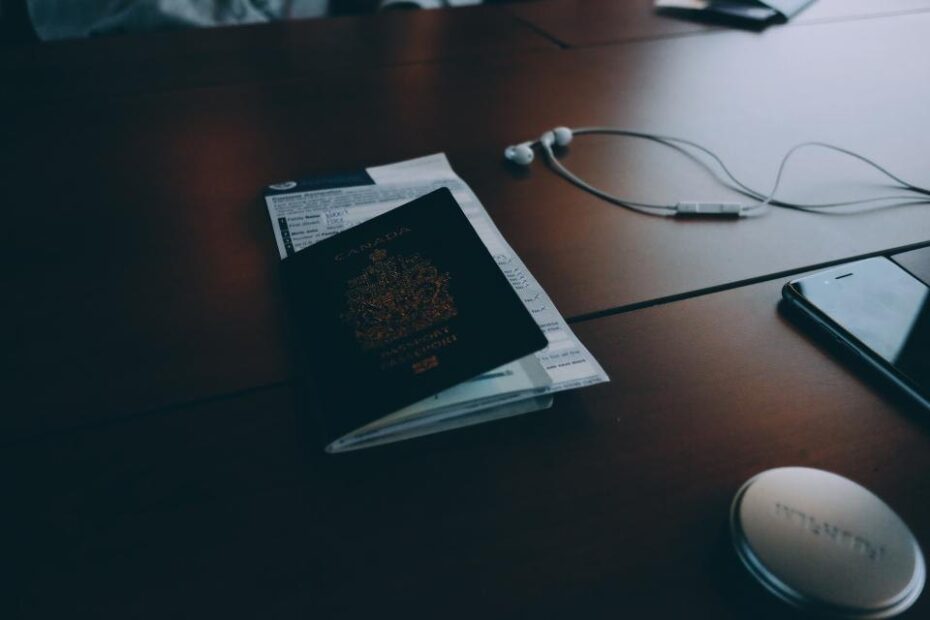
Travel documents are easier to manage when each item has a clear purpose and a predictable place. A passport, an accommodation confirmation, and a restaurant suggestion do not need the same treatment. Separating identification, bookings, and optional planning notes makes important information easier to find while reducing how widely you share personal details. The aim is a practical system you can use when tired, offline, or standing at a counter.
Start well before departure. Make a list of the official documents required for your own nationality, destination, transit route, and circumstances. Use government and operator information rather than treating a friend's experience as a rule. Entry requirements, passport validity rules, authorizations, and documents for children can vary. A copy of a document is not automatically a substitute for the original or permission to travel.
Build one master index
Create a short index of what you hold and where it is stored. It can list passport, entry authorization if required, transport bookings, accommodation details, insurance information if applicable, and emergency contacts. Do not put every sensitive number into an ordinary shared note just to make the list look complete. An index can tell you where to retrieve a document without reproducing all its contents.
Group bookings by the order you will need them. A filename containing the travel date, city, and booking type is easier to recognize than an automated attachment name. Preserve the original confirmation too, especially where it contains terms, ticket instructions, or contact details. If the operator requires its own ticket format, downloading a screenshot of an email may not satisfy that requirement.
Use access copies and recovery copies differently
An access copy is something you use during the trip, such as an accommodation address saved for arrival. A recovery copy helps if an original document is lost. The U.S. State Department recommends keeping copies of travel documents separate from originals and leaving a set with someone trusted. Consult your own national authority for the relevant replacement and emergency procedures.
Think about how you will retrieve recovery information if your phone is unavailable. Keeping everything only inside the device you might lose leaves a gap. You could maintain a securely stored backup accessible through another trusted device and retain a small paper list of essential contacts. Choose an approach you understand and can actually use rather than building a complex system immediately before departure.
Keep sharing limited to the task
A travel companion may need your flight time and the accommodation address without needing a copy of your identification. A group organizer may need the details a booking provider requires, but that does not mean every participant should receive every document. Share necessary information directly with the appropriate recipient and check that any shared-folder permissions match the people you intended to include.
Be cautious about posting boarding passes, reservation codes, identity documents, or live location details publicly. You can share a travel memory without publishing the information used to access a booking. Before sending a screenshot, look at the entire image, including notification banners and background tabs. Cropping to the relevant details can prevent accidental disclosure of unrelated personal information.
Prepare an arrival pack
Make a small set of information available for each arrival: the accommodation name and address, check-in instructions, the transport plan, and a contact method. Save the address in a form you can show to a driver or station employee if needed. If you expect to be offline, test that the saved files open without a connection before relying on them.
For a trip with multiple stops, keep tomorrow's arrival information easy to reach rather than mixing it with last week's bookings. You can archive completed stages in a separate folder. Keep any receipts or evidence you may need later, but remove them from the daily view so that the next instruction stands out. An uncluttered working folder is easier to navigate under pressure.
Give physical documents a routine
Choose a consistent secure place for originals while traveling and an appropriate storage arrangement at your accommodation. The right choice depends on the setting and the documents you are required to carry locally. Avoid general assumptions about whether a photocopy is acceptable. Read current local guidance and follow the requirements that apply to you.
When moving between places, make a short departure check: documents, wallet, phone, keys, and any essential personal equipment. Check the storage location before leaving the room or seat. A routine is most useful when it stays short enough to repeat. You do not need to unpack every bag each time; you need to confirm the few objects whose loss would seriously disrupt the journey.
Close the system after the trip
When home, review shared links and remove access that is no longer needed. Keep records that remain useful, such as receipts for an outstanding claim, and organize them separately from the active itinerary. Follow the storage and deletion options of the services you use. Do not leave sensitive copies in temporary group chats merely because the trip has ended and nobody has mentioned them.
A good document system reduces searching and unnecessary sharing. You know what the official requirements are, where the originals belong, how to reach day-to-day bookings, and what to do if something goes missing. Build that system once, adjust it to the specific journey, and keep the working version simple enough that you can explain it to a trusted companion in a few sentences.
Sources and further reading
- U.S. Department of State: International Travel Checklist
- U.S. Department of State: Communicating While Abroad
Image: Passport Travel by Alex Robert / StockSnap. CC0. Resized and compressed.